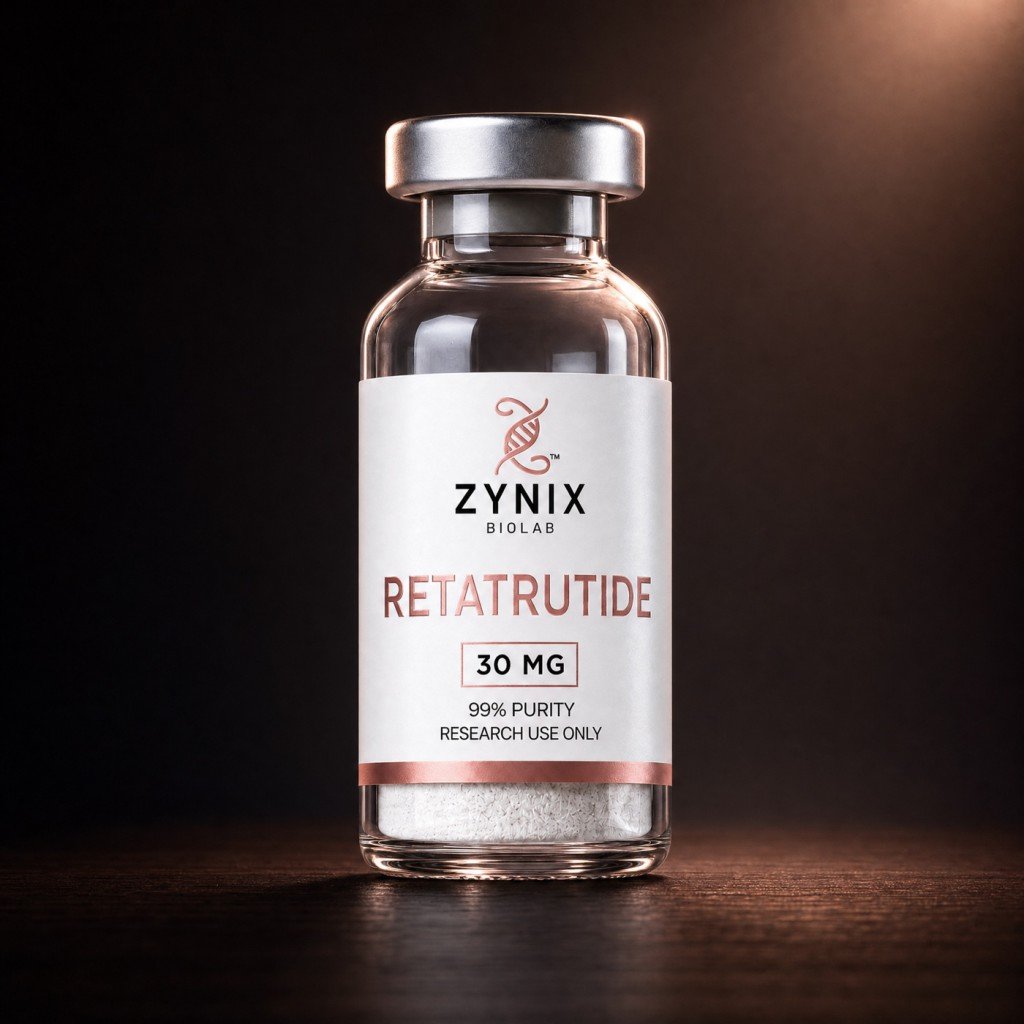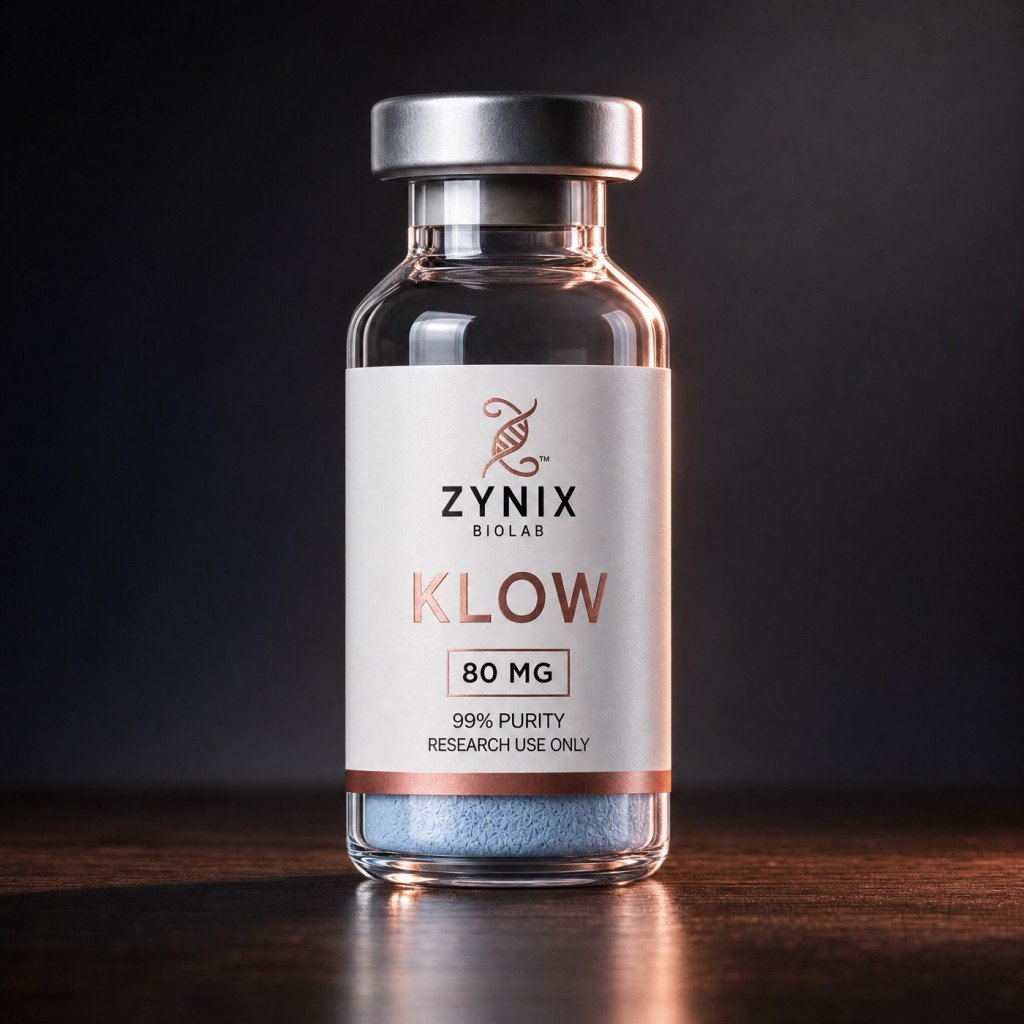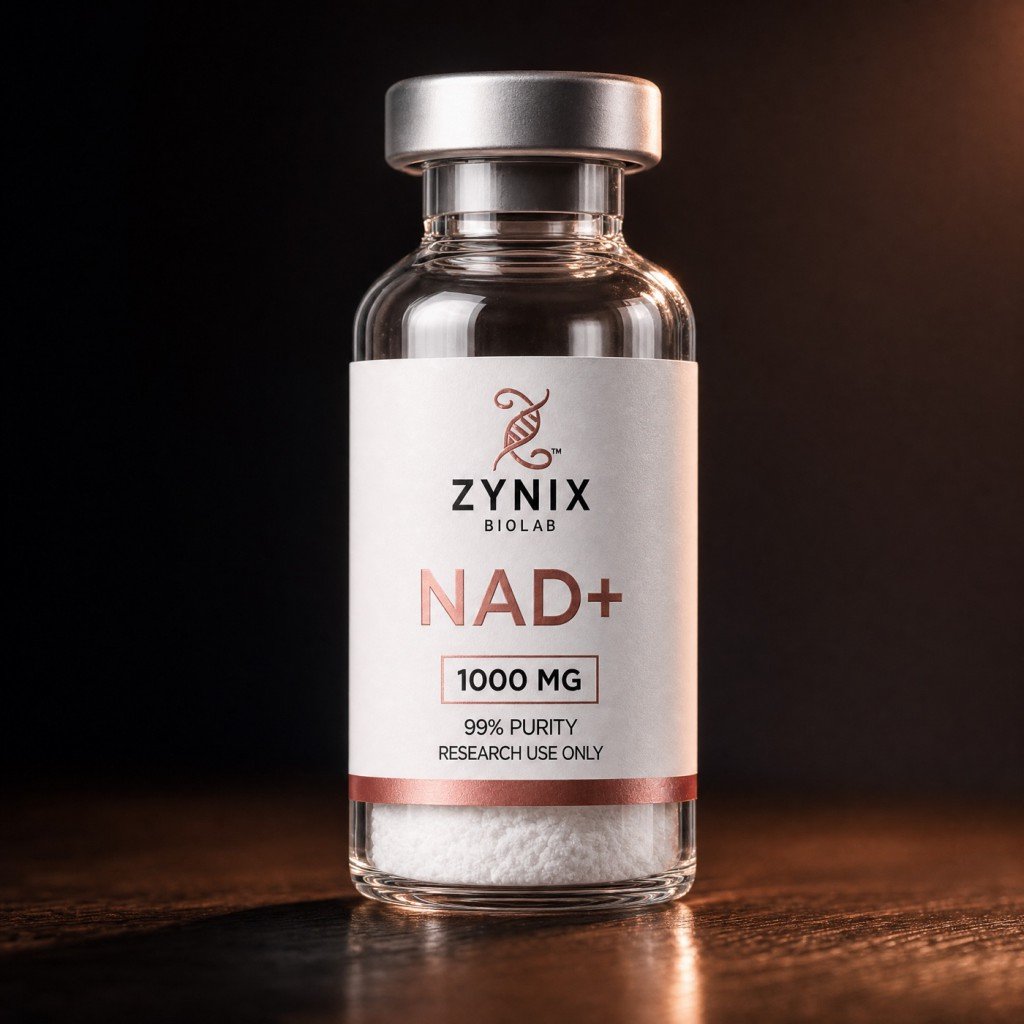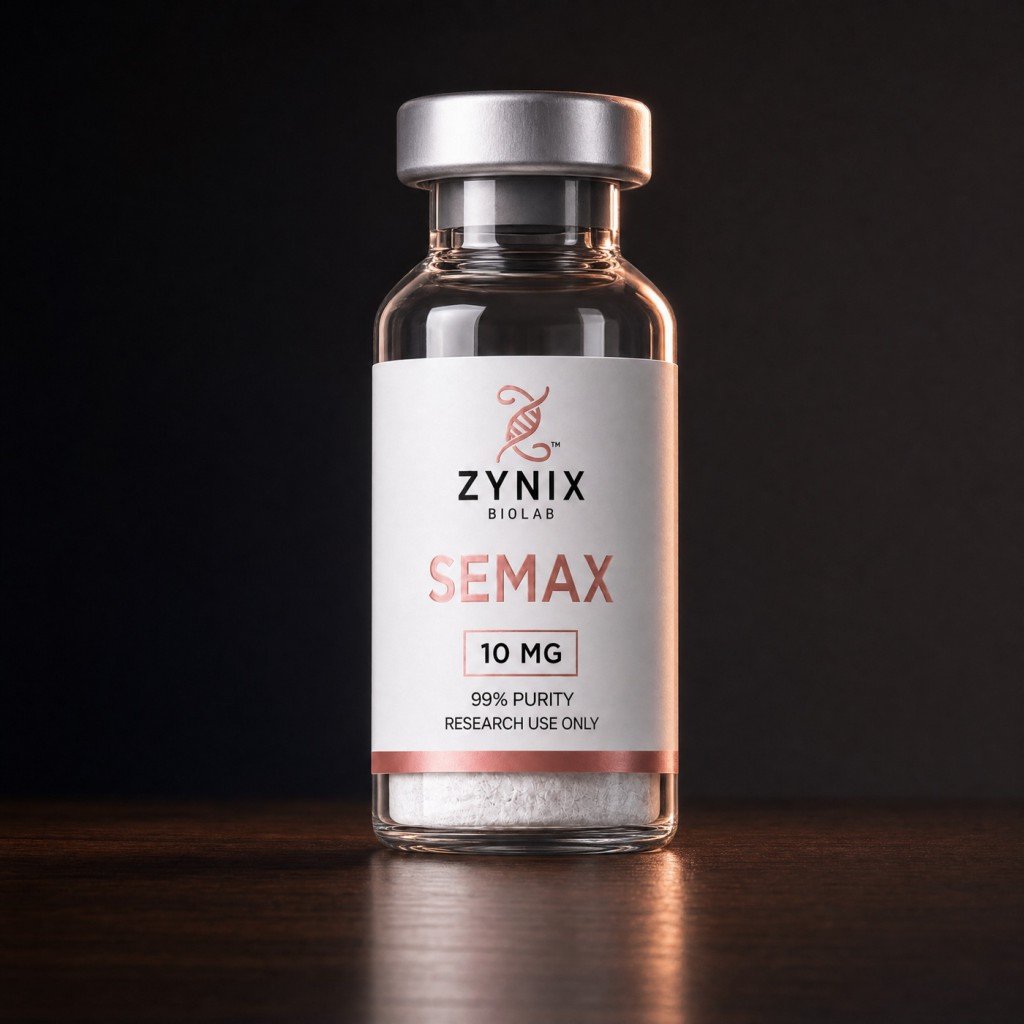
A Certificate of Analysis for this research compound is available on request. See our Lab Tests page for published batch certificates.
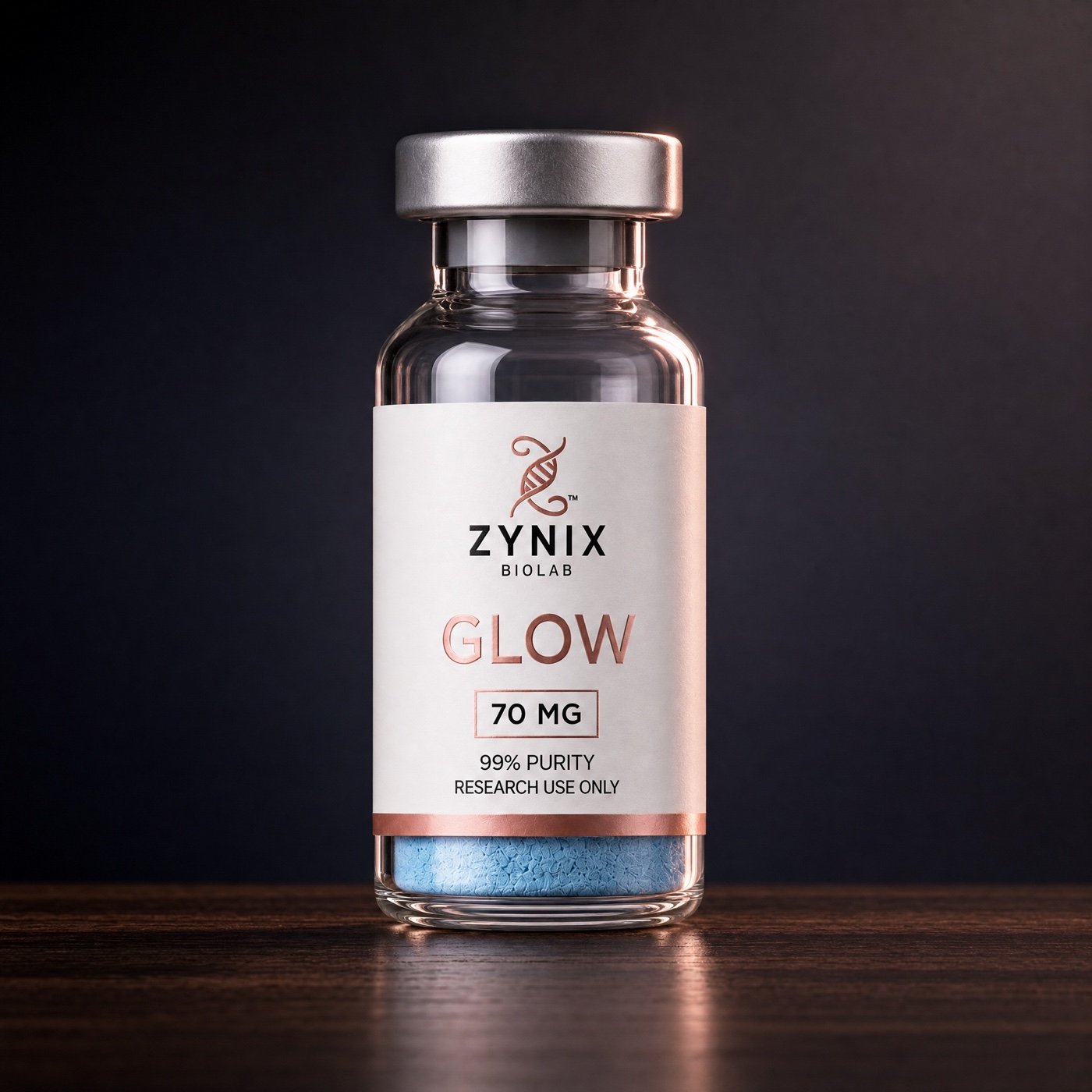
Glow 70mg
$129.00
GLOW (blend). A research-grade, multi-component peptide preparation combining three individually characterized compounds: GHK-Cu (a copper-binding tripeptide), BPC-157 (a synthetic pentadecapeptide), and TB-500 (a synthetic fragment of thymosin beta-4), supplied lyophilized for laboratory research. HPLC-verified component purity with identity confirmed by mass spectrometry; per-lot values reported on the Certificate of Analysis (COA). For research use only. Not for human use.
- ≥99% purity, HPLC-verified
- Identity confirmed by mass spectrometry
- Certificate of Analysis provided per lot
Out of stock
Be the first to review “Glow 70mg” Cancel reply
Specifications
| Purity | ≥99% |
|---|---|
| Appearance | White lyophilized powder |
| Solubility | Soluble in bacteriostatic water; reconstitute for laboratory research |
| Storage | Store lyophilized at -20°C, protected from light |
| Shelf Life | 24 months from date of manufacture (lyophilized) |
Purity & Laboratory Testing
Each lot of GLOW is analyzed to confirm the identity and purity of its constituent peptides:
- Reversed-phase HPLC for component purity (target ≥99% per peptide; lot-specific values reported on the COA).
- Mass spectrometry (MS) for identity confirmation of each component against its expected molecular mass.
- Certificate of Analysis (COA) issued per lot, documenting component ratios, measured purity, and identity data.
Reference identifier for one component: GHK-Cu, CAS 49557-75-7 (tripeptide form). CAS identifiers for BPC-157 and TB-500, exact blend ratio, and net peptide content are reported as lot-specific values on the COA.
These analyses are analytical characterizations of identity and purity only. They do not constitute a representation of safety, efficacy, or fitness for any human or therapeutic application. For research use only, not for human use.
Certificate of Analysis
A Certificate of Analysis is available per production lot, documenting HPLC purity and mass-spectrometry identity confirmation.
Research Background & Study Phase
For Research Use Only · Not for human or veterinary use · Not for diagnostic or therapeutic use.
References to clinical phases/studies describe the compound in independent third-party literature (e.g., ClinicalTrials.gov, PubMed) and do not represent claims, testing, or approval by Zynix Biolab.
GLOW is a proprietary multi-component blend, not a single molecule. It is composed of three distinct peptides that have each been characterized separately in the third-party scientific literature. Because it is a blend, no independent study phase, efficacy data, or regulatory designation exists for the combined preparation itself; the material below describes the individual components as reported by external investigators.
- GHK-Cu — a copper(II) complex of the tripeptide glycyl-L-histidyl-L-lysine, first isolated from human plasma and reported in the literature since 1973. It has been studied in preclinical models in the context of extracellular-matrix gene expression and copper transport (CAS 49557-75-7 for the tripeptide).
- BPC-157 — a synthetic 15-amino-acid (pentadecapeptide) sequence derived from a partial sequence of a protein identified in gastric juice. It has been the subject of numerous preclinical (rodent and in vitro) studies examining angiogenic signaling (e.g., VEGFR2 and the Akt–eNOS axis) and tissue-repair pathways. Human data remain limited to a small number of early pilot studies.
- TB-500 — a synthetic fragment corresponding to the actin-binding region of thymosin beta-4 (Tβ4), a ubiquitous 43-amino-acid G-actin–sequestering polypeptide. The actin-binding motif has been characterized in the literature as a site associated with angiogenic activity in laboratory models.
Regarding third-party clinical research on the parent molecule of one component: full-length thymosin beta-4 (developmental code RGN-352, INN “timbetasin”) has been examined by RegeneRx Biopharmaceuticals in registered human studies, including a Phase 2 protocol for acute myocardial infarction listed on ClinicalTrials.gov as NCT01311518. This reflects independent third-party investigation of the full-length parent protein and does not represent testing or approval of GLOW or of TB-500 by Zynix Biolab. The GLOW blend is supplied for research use only — not for human use.
Research Applications
For Research Use Only · Not for human or veterinary use · Not for diagnostic or therapeutic use.
In the published third-party literature, the individual components of this blend have been examined in laboratory and preclinical (non-human) settings, including:
- GHK-Cu — in vitro and preclinical investigation of extracellular-matrix gene expression, copper coordination chemistry, and fibroblast-associated signaling.
- BPC-157 — rodent and cell-based models examining angiogenic signaling pathways (VEGFR2; the Akt–eNOS/nitric-oxide axis) and growth-factor receptor expression in connective-tissue cells.
- TB-500 / thymosin beta-4 — characterization of G-actin sequestration, actin-cytoskeleton dynamics, and endothelial-cell migration and tubule formation in laboratory angiogenesis assays.
These represent distinct, independently studied mechanisms of the separate compounds; no efficacy or synergy of the combined GLOW blend is claimed.
The research directions above are provided for scientific context only and describe studies of the individual compounds by third parties. This product is not for human use, diagnostic use, or therapeutic use.
Handling, Storage & Reconstitution
General laboratory handling guidance for the lyophilized blend:
- Storage: store the lyophilized powder at -20°C, protected from light and moisture; avoid repeated freeze–thaw cycles. Refer to the COA for any lot-specific stability notes.
- Reconstitution: for laboratory preparation, the powder may be reconstituted with bacteriostatic water or another suitable research-grade solvent; gently swirl rather than shake. Aliquot reconstituted material and store cold per standard peptide-handling practice.
- Safety: handle with appropriate personal protective equipment (gloves, lab coat, eye protection) under standard laboratory conditions.
This information describes general laboratory handling of a research material and is not a dosing or administration instruction. For research use only — not for human use.
Scientific References
For Research Use Only · Not for human or veterinary use · Not for diagnostic or therapeutic use.
The following peer-reviewed and registry sources describe the individual components and their parent molecules as studied by third parties:
- Pickart L, Margolina A. Regenerative and Protective Actions of the GHK-Cu Peptide in the Light of the New Gene Data. Int J Mol Sci. 2018. PMC6073405.
- Krivic A, et al. The promoting effect of pentadecapeptide BPC 157 on tendon healing involves tendon outgrowth, cell survival, and cell migration. J Appl Physiol. 2010. PMID 21030672.
- Philp D, et al. The actin binding site on thymosin beta4 promotes angiogenesis. FASEB J. 2003. PMID 14500546.
- RegeneRx Biopharmaceuticals. Safety and Efficacy of Injectable Thymosin Beta 4 (RGN-352) for Treating Acute Myocardial Infarction. ClinicalTrials.gov NCT01311518.
These references are provided for scientific context only and are not claims by Zynix Biolab.
These statements have not been evaluated by the FDA. This product is not intended to diagnose, treat, cure, or prevent any disease. Sold exclusively for laboratory research; not a drug, food, cosmetic, or dietary supplement.


Reviews
There are no reviews yet.