BPC-157
$71.00
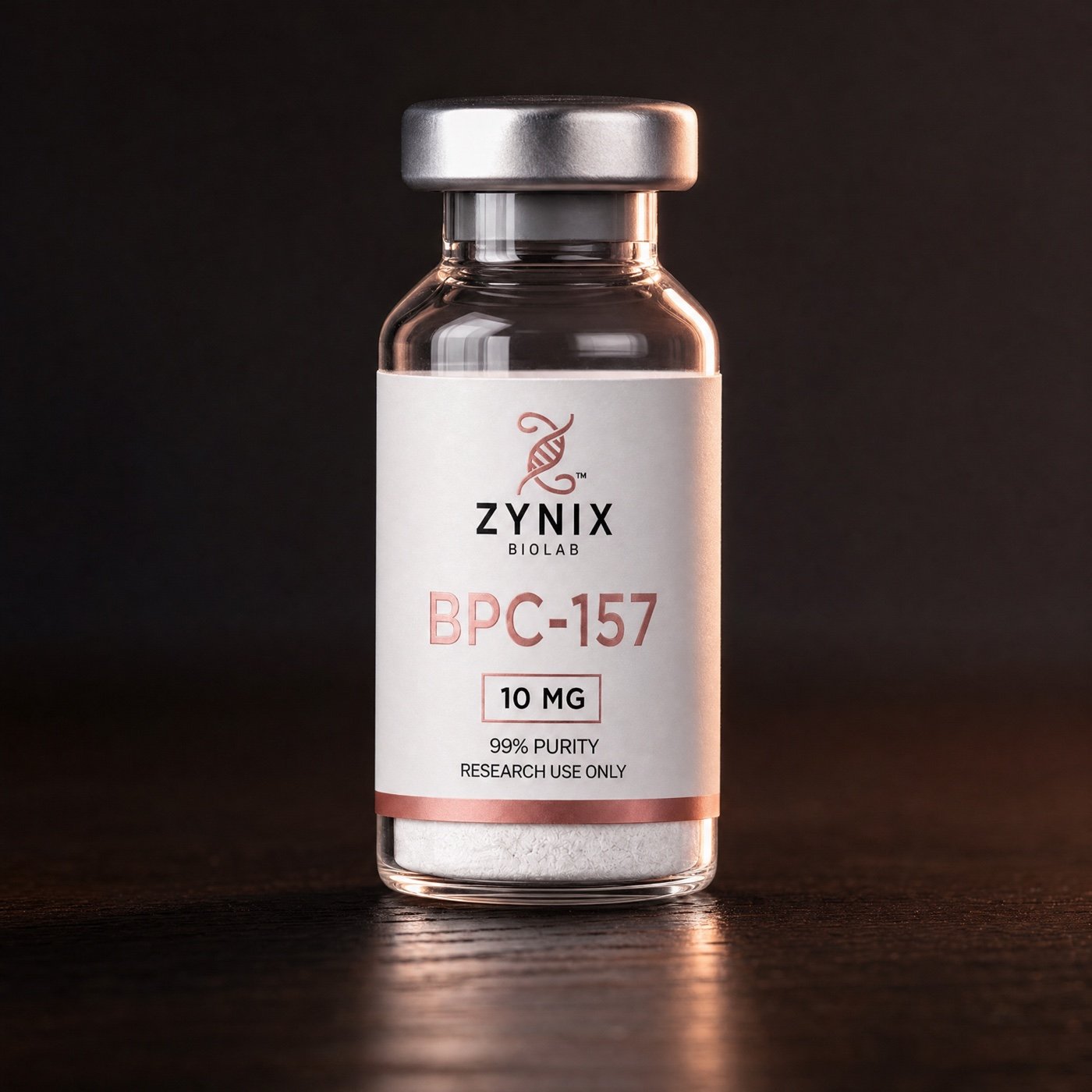
BPC-157 is a research-grade pentadecapeptide (“body protection compound”), supplied as a lyophilized powder for laboratory research. Identity and purity are characterized by HPLC and mass spectrometry, with lot-specific values reported on the Certificate of Analysis (COA). For research use only. Not for human use.
- ≥99% purity, HPLC-verified
- Identity confirmed by mass spectrometry
- Certificate of Analysis provided per lot
10 in stock
| Lot | Purity | Test Date | Lab | Status | COA |
|---|---|---|---|---|---|
| VP-260709-02 | 99.66% | 2026-08-03 | Freedom Diagnostics LLC | Passed | View PDF |
Be the first to review “BPC-157”
Specifications
| Purity | ≥99% |
|---|---|
| Appearance | White lyophilized powder |
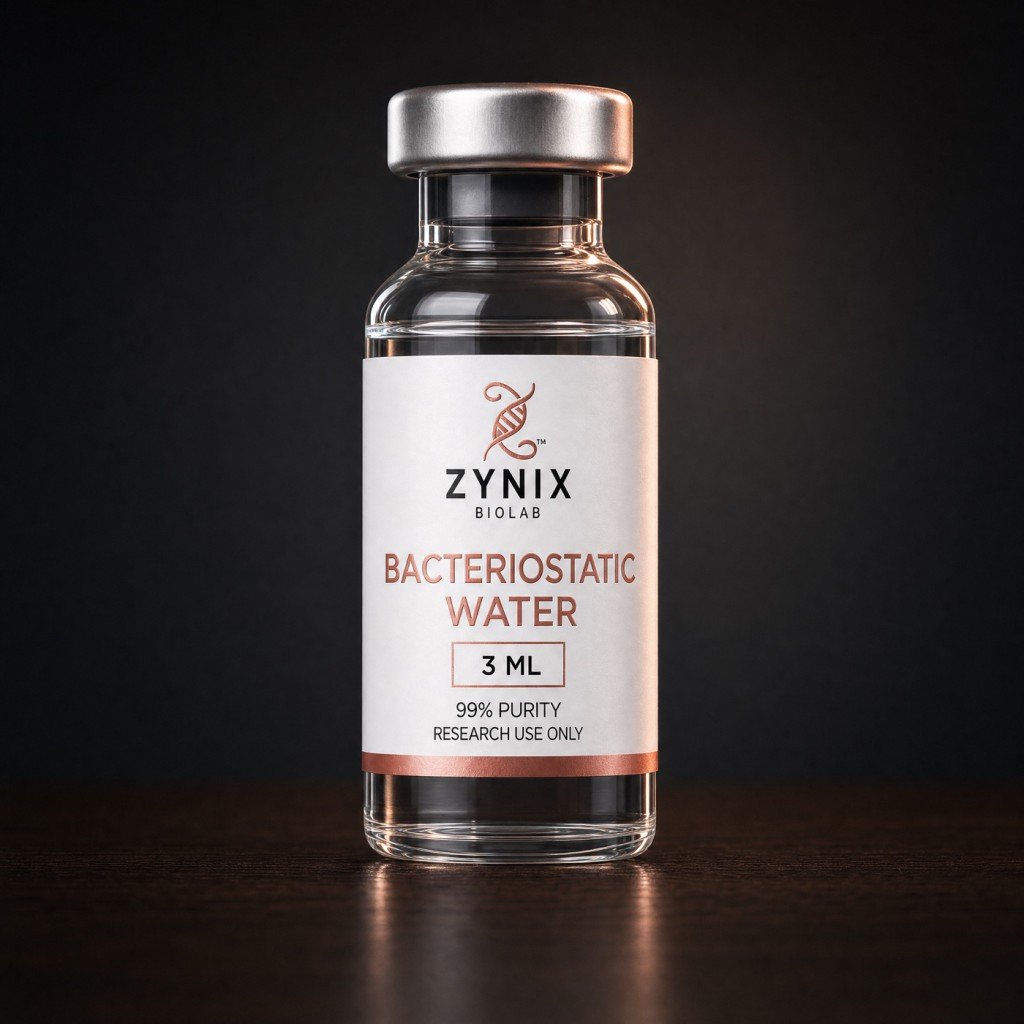
| Solubility | Soluble in bacteriostatic water; reconstitute for laboratory research |
| Storage | Store lyophilized at -20°C, protected from light |
| Shelf Life | 24 months from date of manufacture (lyophilized) |
Purity & Laboratory Testing
Each lot of BPC-157 is characterized by analytical methods to confirm identity and purity:
- HPLC — purity verified to ≥99% (area %), with the exact value reported on the lot-specific COA.
- Mass spectrometry (MS) — used to confirm molecular identity against the expected monoisotopic/average mass (reported on the COA).
- Reference identifiers — CAS No. 137525-51-0; pentadecapeptide, average molecular weight approximately 1419.5 Da, as characterized on the lot COA.
- Certificate of Analysis — a per-lot COA documenting HPLC purity and MS identity accompanies each batch.
These laboratory tests are analytical characterizations of identity and purity only. They are not assessments of safety, efficacy, or fitness for any human or veterinary application. For research use only, not for human use.
Certificate of Analysis
A Certificate of Analysis is available per production lot, documenting HPLC purity and mass-spectrometry identity confirmation.
Research Background & Study Phase
For Research Use Only · Not for human or veterinary use · Not for diagnostic or therapeutic use.
References to clinical phases/studies describe the compound in independent third-party literature (e.g., ClinicalTrials.gov, PubMed) and do not represent claims, testing, or approval by Zynix Biolab.
Information about this compound's status in the scientific literature is provided for research context. Any references to research phases describe the compound as reported in independent, third-party studies and registries. They do not represent testing, evaluation, or approval by Zynix Biolab.
Research Applications
For Research Use Only · Not for human or veterinary use · Not for diagnostic or therapeutic use.
Supplied for in-vitro and laboratory research applications only. Not for human or veterinary use, and not for diagnostic or therapeutic use.
Handling & Storage
Storage — store lyophilized powder at -20°C, protected from light and moisture.
PPE — handle with appropriate personal protective equipment (gloves, lab coat, eye protection) under standard laboratory safety procedures.
For research use only — not for human use.
These statements have not been evaluated by the FDA. This product is not intended to diagnose, treat, cure, or prevent any disease. Sold exclusively for laboratory research; not a drug, food, cosmetic, or dietary supplement.
Reviews
There are no reviews yet.